How I Save Time with AI Prompts
After 3 years of working with ChatGPT, I figured out that some single words have a lot of meaning for AI. No matter what version you are chatting with.
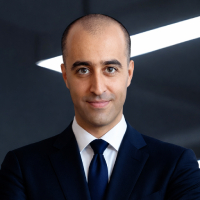
Hassan Safari is a Forex trader, financial risk manager, and full-stack trading systems developer specializing in brokerage infrastructure and algorithmic trading. With hands-on experience in Forex brokerage operations, he works on risk management, liquidity monitoring, and MetaTrader 5 (MT5) server administration. Hassan develops automated trading tools and investment platforms using Python, JavaScript, and PHP, combining financial market expertise with advanced technical execution. His work focuses on building secure, scalable, and risk-optimized trading environments for brokers and investors.
After 3 years of working with ChatGPT, I figured out that some single words have a lot of meaning for AI. No matter what version you are chatting with.
Three years ago, when I started working on a Renko candles trading strategy, I tested almost every Renko builder available in Python. And honestly?None of them were efficient enough. They were either too slow, inaccurate in live markets, or unreliable for serious backtesting. That’s when I decided to build something better — something that could […]
Forex Trading Strategies are structured methods traders use to decide when to buy or sell currency pairs in the forex market. These strategies rely on price behavior, market structure, risk management, and timing rules. A clear trading strategy helps reduce emotional decisions and improves consistency. In simple terms, Forex Trading Strategies provide a repeatable plan […]
Forex Basics for Beginners explains how the foreign exchange market works, how currencies are traded, and what key terms like pips, lot size, leverage, and margin mean. Forex trading involves buying one currency while selling another to profit from price changes. This guide gives you a structured, risk-aware foundation so you can understand how the […]
The spread in forex is the difference between the bid price (sell price) and the ask price (buy price) of a currency pair. It represents the cost you pay to open a trade. In simple terms, when you trade forex, the broker earns through the spread. If EUR/USD shows 1.1000 (bid) and 1.1002 (ask), the […]